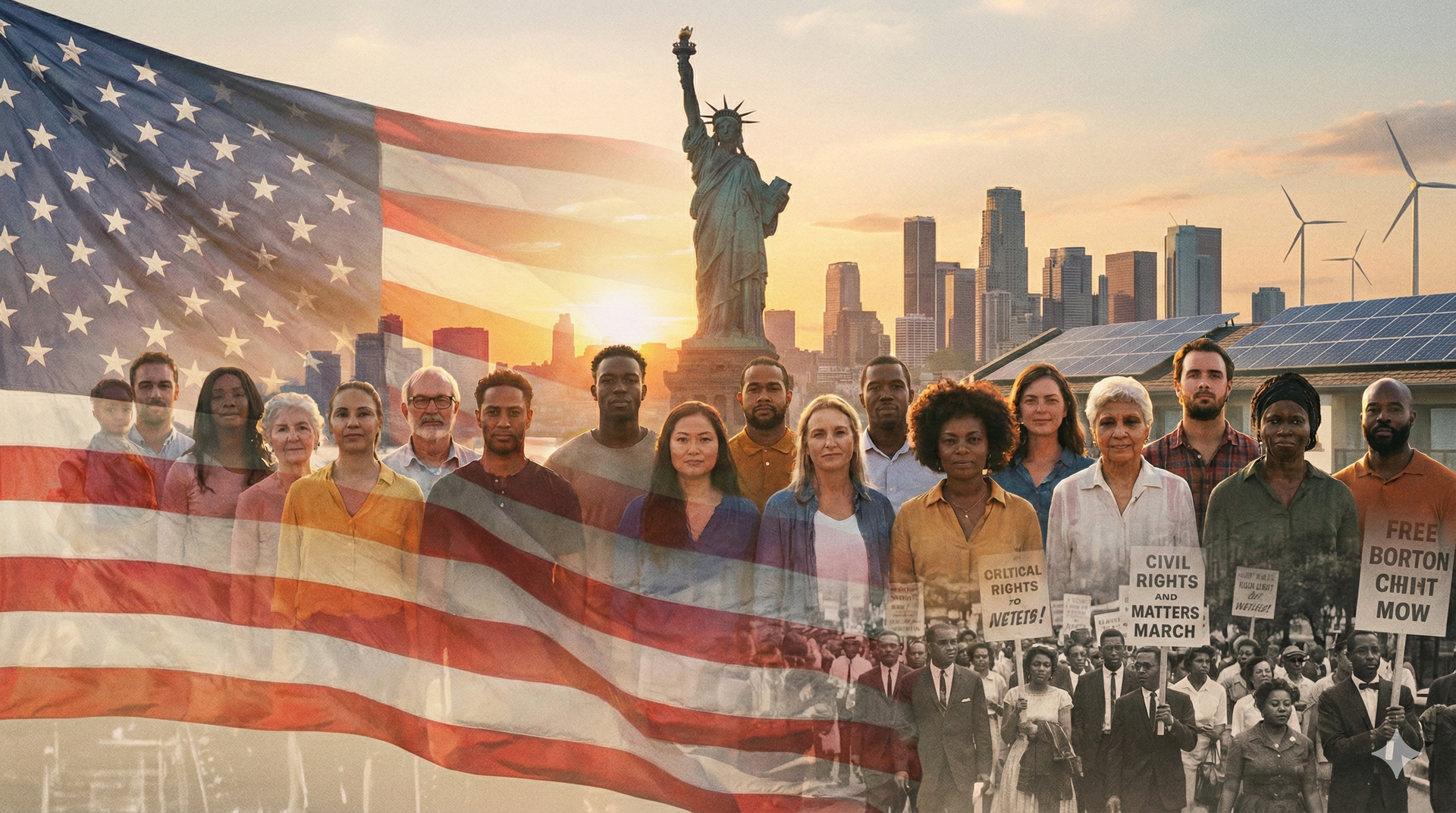
The Road to Equality: Honoring America’s 250-Year Commitment to Justice
Recent Articles



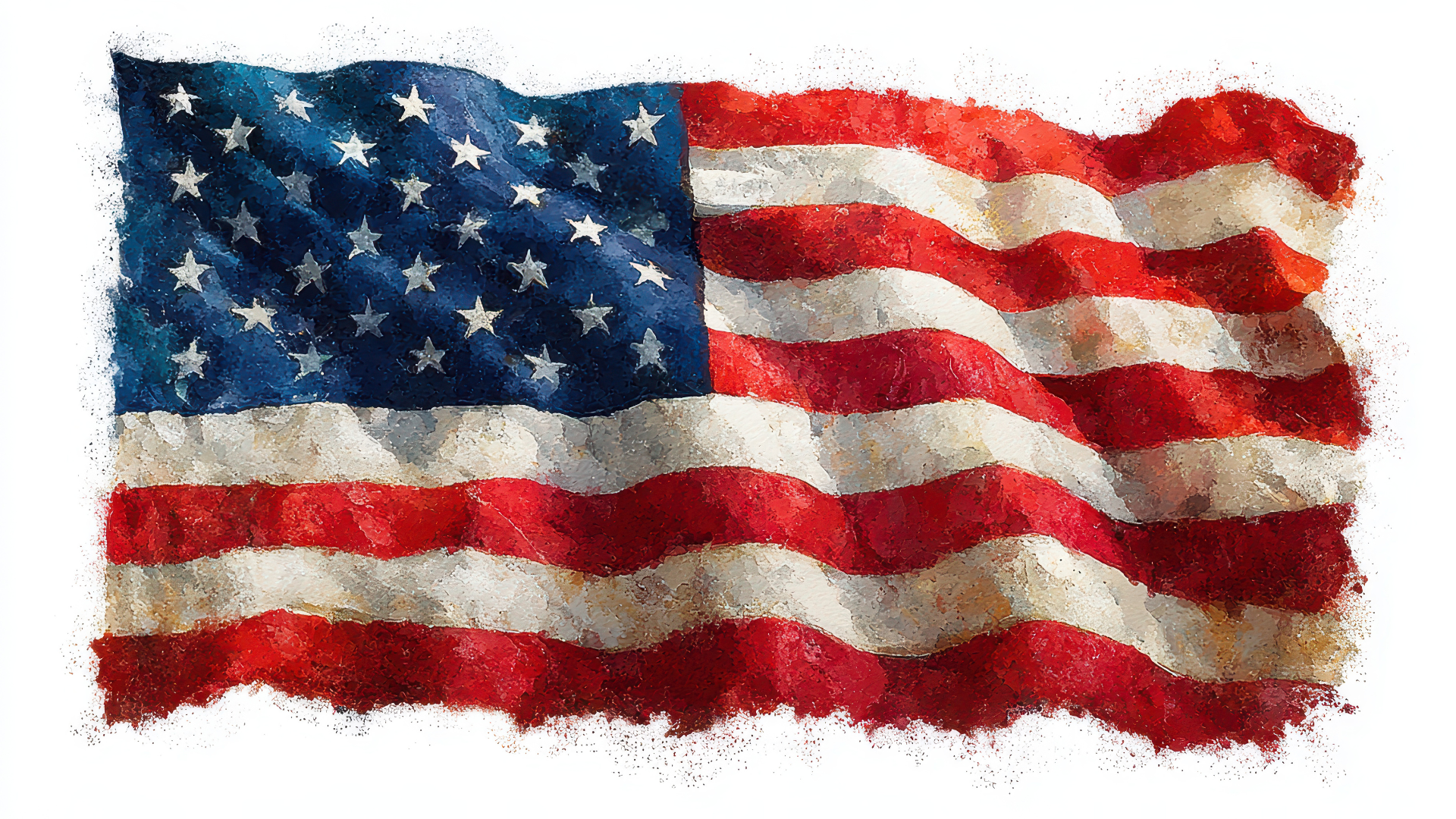

The Founding Ideals: A Promise of Equality
When the Declaration of Independence was signed in 1776, it declared the birth of a nation founded on the principles of freedom and equality. The line “all men are created equal” struck a powerful chord, proclaiming the inherent rights of individuals to liberty and self-determination. However, at the time, the meaning of equality was far from universal. Slavery was deeply entrenched in the American South, women were denied the right to vote, and Native Americans were subjected to brutal colonization and displacement.
The early history of the United States is marked by a contradiction between its founding ideals and the reality of its practices. The institution of slavery, which was protected by law in many Southern states, denied millions of African Americans their basic human rights. Women had no legal standing to vote or own property, and many minority groups were excluded from full participation in society. Despite these contradictions, the principles of equality and justice, rooted in the nation’s founding documents, would continue to inspire generations of Americans to fight for change.
The Abolition of Slavery: A Pivotal Moment in the Fight for Equality
The most significant struggle for equality in America’s early years was the fight to abolish slavery. The question of slavery was one of the central causes of the Civil War, and the conflict, which lasted from 1861 to 1865, was fought over the moral and legal question of whether slavery should continue to exist in the United States.
The Emancipation Proclamation, issued by President Abraham Lincoln in 1863, was a critical turning point in the fight against slavery. It declared that all enslaved people in Confederate-held territory were to be set free. The end of the Civil War in 1865 and the passage of the 13th Amendment, which abolished slavery, marked a momentous achievement in America’s ongoing quest for equality. However, the abolition of slavery was only the beginning of the struggle for racial justice, and the end of legalized slavery did not immediately grant African Americans full rights or protections under the law.
Reconstruction and the Fight for Civil Rights
Following the Civil War, the Reconstruction period (1865-1877) sought to rebuild the South and integrate newly freed African Americans into the fabric of American society. During this time, the 14th and 15th Amendments were passed, granting citizenship and voting rights to African American men. While these amendments were groundbreaking, they did not guarantee equality in practice, and discriminatory laws, such as the Black Codes, were implemented in many Southern states to limit the freedoms of African Americans.
The struggle for civil rights continued throughout the late 19th and early 20th centuries. The Jim Crow laws that emerged in the South after Reconstruction institutionalized racial segregation and disenfranchised African Americans. The system of “separate but equal” became entrenched, leading to widespread inequality in education, housing, and employment.
Despite these setbacks, the Civil Rights Movement of the 1950s and 1960s brought about significant change. Led by figures like Martin Luther King Jr., Rosa Parks, and Malcolm X, the movement fought to dismantle segregation and secure equal rights for African Americans. The landmark Supreme Court decision in Brown v. Board of Education (1954) declared that segregated schools were unconstitutional, and the Civil Rights Act of 1964 and the Voting Rights Act of 1965 were passed, outlawing discrimination in public accommodations, employment, and voting.
Women’s Suffrage: The Fight for Gender Equality
The fight for women’s rights in America has also been a long and difficult road. Women in the U.S. were denied the right to vote until the passage of the 19th Amendment in 1920. The suffrage movement, which had been gaining momentum since the mid-19th century, culminated in this historic achievement, securing the right for women to participate in elections.
However, the 19th Amendment did not guarantee gender equality, and women continued to face discrimination in many areas of life. It wasn’t until the feminist movements of the 1960s and 1970s that significant strides were made in addressing issues like workplace discrimination, reproductive rights, and gender-based violence. The fight for gender equality continues today, with ongoing struggles for equal pay, reproductive rights, and an end to gender-based violence.
LGBTQ+ Rights: A Modern Struggle for Equality
The struggle for LGBTQ+ rights in America is one of the most significant civil rights movements of the 21st century. For much of American history, LGBTQ+ individuals were marginalized and criminalized. Homosexuality was classified as a mental illness until the 1970s, and same-sex relationships were illegal in many states. The fight for LGBTQ+ rights gained visibility with the Stonewall Riots of 1969, a pivotal moment in the gay liberation movement.
Since then, the LGBTQ+ community has fought for legal recognition, protections, and rights, including marriage equality, adoption rights, and protection from discrimination in the workplace. In 2015, the Supreme Court’s Obergefell v. Hodges decision legalized same-sex marriage nationwide, a monumental victory for LGBTQ+ rights. Yet, there are still significant challenges ahead, particularly concerning the rights of transgender individuals and the ongoing fight for equality in areas like healthcare and education.
Looking Ahead: The Continued Pursuit of Equality
As the United States celebrates its 250th anniversary, it is essential to recognize both the progress made and the work that remains to ensure equality for all Americans. The struggle for civil rights is ongoing, and the work to create a more just society requires continued vigilance and action. Issues like racial inequality, gender discrimination, LGBTQ+ rights, and the fight for immigrant rights remain at the forefront of America’s political and social discourse.
The fight for equality is not a battle that will ever truly end, but it is a journey that is worth continuing. As Americans honor the nation’s 250-year history, it is a reminder that the work of building a more just society requires each of us to commit to the ideals of freedom, equality, and justice for all people.
Conclusion
America’s 250-year journey to equality has been fraught with challenges, setbacks, and victories. From the abolition of slavery to the fight for civil rights, women’s suffrage, and LGBTQ+ rights, the road to justice has been long, but the progress made along the way has been profound. As the nation reflects on its past and looks toward the future, it is important to remember that the journey toward equality is ongoing and that each generation has a role to play in ensuring that the promises of liberty and justice are realized for all. America’s commitment to justice is not just a part of its past—it is a living, evolving promise that must continue to guide the nation toward a more inclusive and equal future.