The Future of America: What’s Next for the Next 250 Years?

Recent Articles




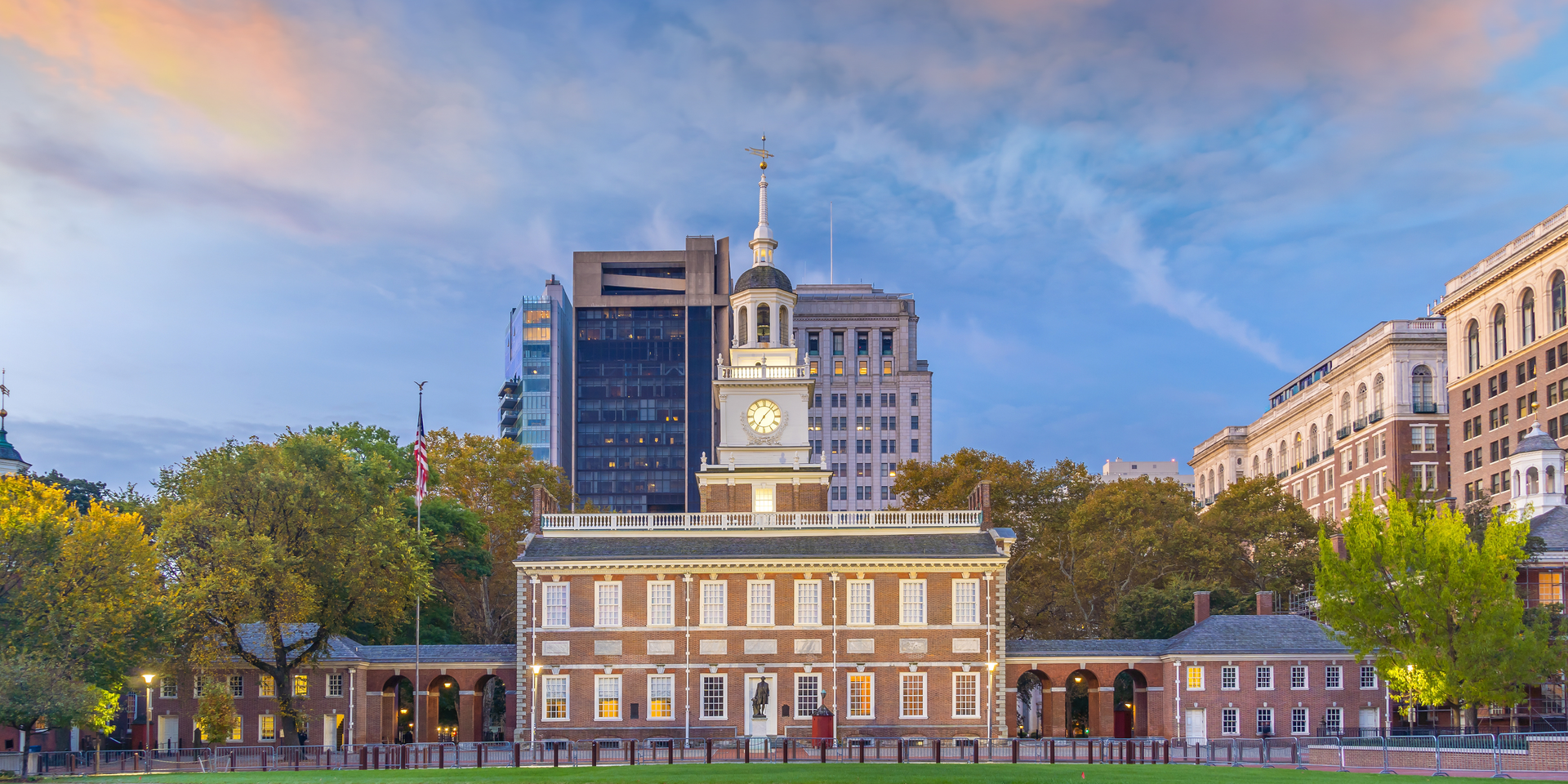
As the United States approaches its 250th anniversary in 2026, the nation stands at a rare crossroads. Anniversaries of this magnitude invite reflection, but they also demand imagination. While honoring the past is essential, the semiquincentennial is equally about looking forward and asking a bold question: what kind of America will exist 250 years from now? The future of the nation will be shaped by how it responds to rapid technological change, global challenges, social evolution, and its enduring commitment to democracy and freedom.
America’s history shows a pattern of adaptation. From an agrarian society to an industrial powerhouse and then to a digital economy, the country has repeatedly reinvented itself. The next 250 years will require the same willingness to evolve, paired with a renewed dedication to the values that have guided the nation since its founding.
Technology and Innovation as Drivers of Change
Technology will play a defining role in shaping America’s future. Just as the steam engine, electricity, and the internet transformed earlier generations, emerging technologies such as artificial intelligence, automation, biotechnology, and quantum computing will redefine how Americans live and work. These innovations hold enormous promise, from improving healthcare outcomes and extending life expectancy to increasing productivity and solving complex problems once thought unsolvable.
However, with innovation comes responsibility. Automation and artificial intelligence may disrupt traditional jobs, requiring new approaches to education, workforce training, and economic policy. The future of America will depend on how well it prepares its people to adapt to these changes. Investing in education, critical thinking, and lifelong learning will be essential to ensure that technological progress benefits society as a whole rather than deepening economic divides.
America’s long-standing culture of entrepreneurship and innovation positions it well for this future. If the nation continues to encourage creativity, research, and ethical technological development, it can remain a global leader while ensuring progress aligns with human values.
Democracy in a Changing World
One of the most important questions facing America’s future is how democracy will endure and evolve. Over the next 250 years, the United States will continue to face challenges to democratic norms, including political polarization, misinformation, and shifting global power dynamics. The resilience of American democracy has been tested many times before, and history suggests that its strength lies in active civic participation and accountability.
Future generations will inherit not only the rights granted by the Constitution but also the responsibility to protect them. Strengthening democratic institutions, safeguarding free and fair elections, and encouraging informed civic engagement will be critical. Technology can either weaken or strengthen democracy, depending on how it is used. The challenge ahead will be ensuring that digital platforms enhance transparency and participation rather than division and distrust.
If America succeeds in reinforcing democratic values while adapting to modern realities, it can continue to serve as a model for representative government in an increasingly complex world.
A More Diverse and Inclusive Nation
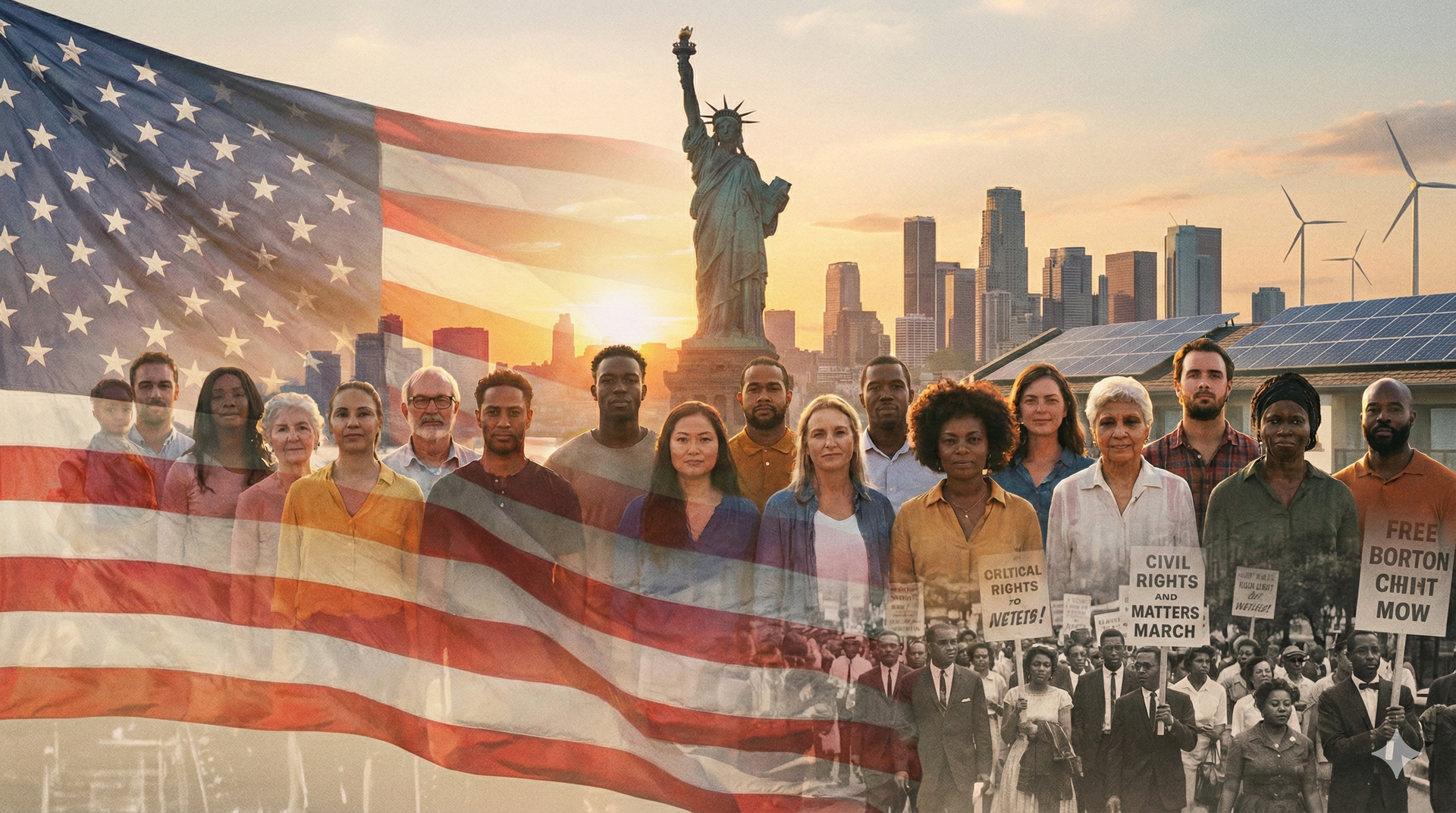
Demographic change will be another defining factor of America’s next 250 years. The nation is becoming more diverse than ever, with a rich mix of cultures, languages, and traditions shaping its identity. This diversity has long been one of America’s greatest strengths, driving creativity, economic growth, and cultural exchange.
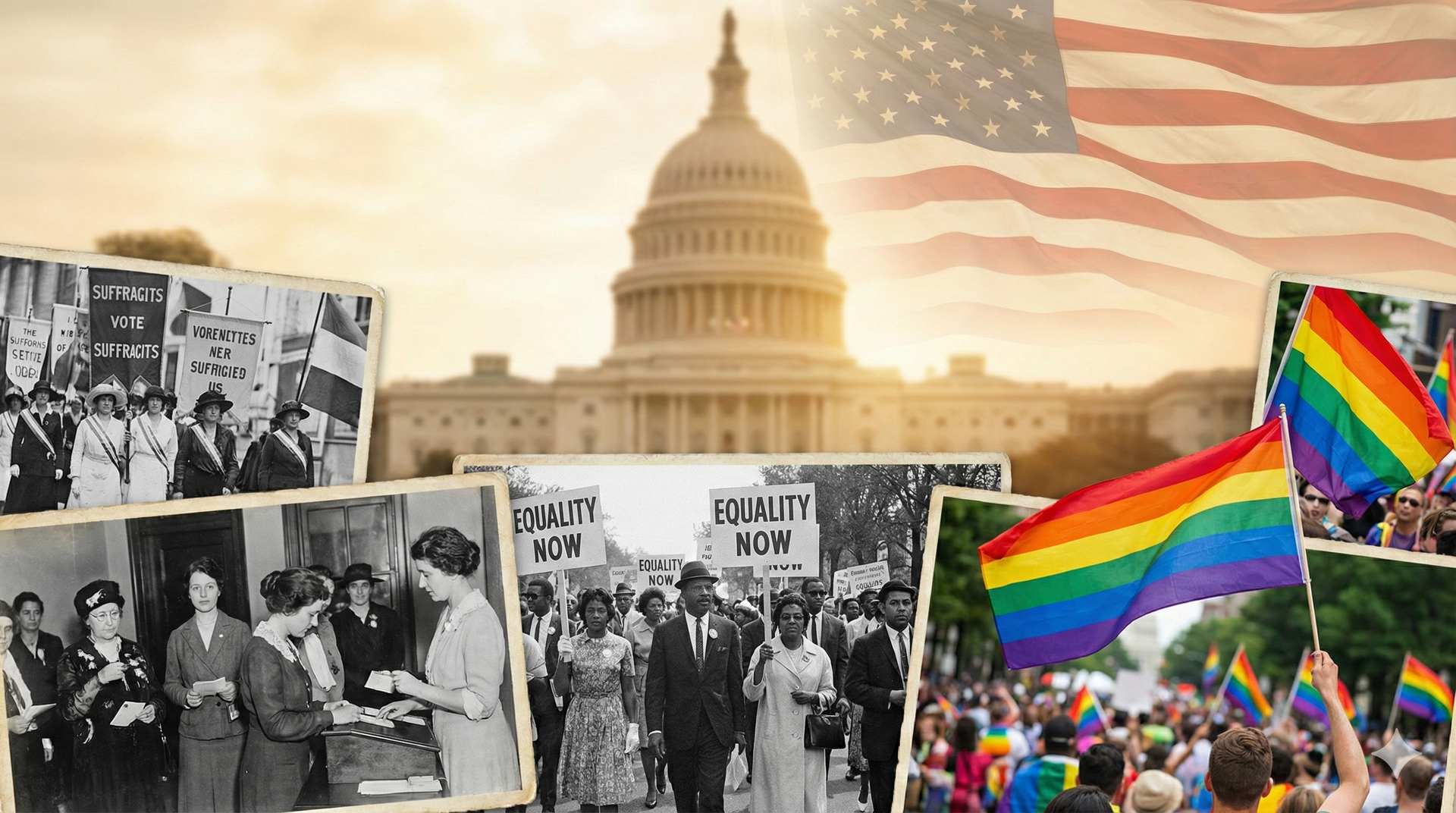
The future will depend on how well the country embraces inclusion and ensures equal opportunity for all. Progress toward racial, gender, and social equality has been significant, but unfinished. Addressing disparities in education, healthcare, housing, and economic mobility will be essential for building a more just and unified society.
An inclusive America is not just a moral ideal; it is a practical necessity. A nation that empowers all of its people is better equipped to innovate, compete globally, and respond to challenges. The next 250 years offer an opportunity to move closer to the founding promise of equality for all.
Climate, Sustainability, and Global Responsibility
The environmental challenges facing the United States will shape its future as profoundly as any technological or political development. Climate change, resource management, and sustainability will demand long-term thinking and collective action. The choices made in the coming decades will have consequences that last centuries.
America has the capacity to lead in developing sustainable technologies, renewable energy solutions, and resilient infrastructure. Doing so will require collaboration between government, industry, and communities. The future of the nation will be defined not only by economic growth but by how responsibly that growth is achieved.
On a global scale, America’s role will continue to evolve. The next 250 years will require cooperation with other nations to address shared challenges such as climate change, public health, and security. Leadership in the future will be measured as much by partnership and diplomacy as by power.
Education and the Next Generations
The future of America ultimately rests with its people. Education will remain one of the most critical investments the nation can make. As the world becomes more complex, future generations will need skills that go beyond technical knowledge, including adaptability, empathy, and critical thinking.
Reimagining education to meet the needs of a rapidly changing world will be essential. This includes expanding access to quality education, embracing new learning models, and ensuring that education prepares students not just for jobs, but for citizenship and leadership.
An informed, engaged population is the foundation of a strong democracy and a resilient society. Over the next 250 years, education will shape how Americans understand their history, engage with the world, and contribute to the nation’s future.
Looking Ahead with Purpose
The United States’ 250th anniversary is not a finish line, but a midpoint in a much longer story. The next 250 years will bring challenges that cannot yet be fully imagined, along with opportunities that could surpass even the most optimistic expectations. What will remain constant is the need for vision, responsibility, and commitment to shared values.
America’s future will be written by how it chooses to act today. By investing in innovation, protecting democracy, embracing diversity, addressing environmental challenges, and prioritizing education, the nation can build a future worthy of its past.
As the United States looks ahead to the next 250 years, the question is not simply what will happen, but what kind of nation Americans choose to become. With purpose, unity, and courage, the future of America holds the potential to be as transformative and inspiring as its first quarter-millennium.