A Quarter-Millennium of Freedom: Celebrating America's 250th Anniversary

Recent Articles


The Birth of a Nation: The Declaration of Independence
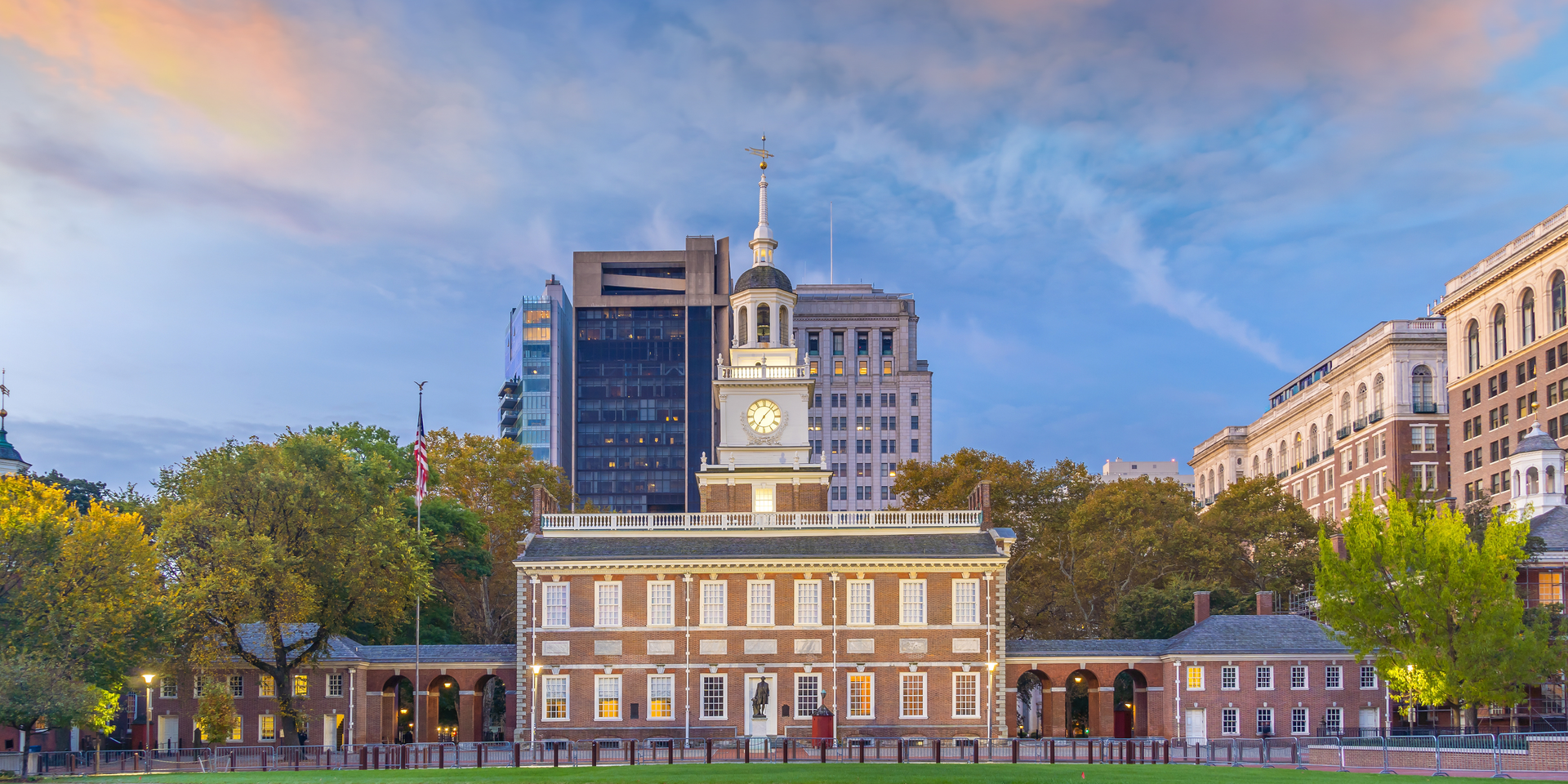
The year 1776 was a pivotal one in American history. The thirteen colonies, previously under British rule, made the bold decision to declare their independence. On July 4th of that year, representatives of these colonies came together in Philadelphia and signed the Declaration of Independence, forever altering the course of history. The document, written by Thomas Jefferson, was more than just a statement of political separation from Great Britain. It encapsulated the core values of the American Revolution—values of individual liberty, the pursuit of happiness, and the right of people to govern themselves.
The Declaration’s famous assertion that "all men are created equal" was a powerful challenge to the established norms of the time. It marked the beginning of a nation that would continually strive to live up to those words. However, while the Declaration expressed grand ideals, the road to achieving them would be anything but smooth. The new country faced a host of internal and external challenges, from securing its independence through the Revolutionary War to creating a government structure that could uphold the principles of freedom and justice.
From Revolution to Republic: The Constitution
After the war, America’s journey toward establishing a stable government began. The Articles of Confederation, which initially united the states, proved ineffective. Recognizing the need for a stronger central government, the Founding Fathers convened the Constitutional Convention in 1787 to draft a new framework for governance. The result was the U.S. Constitution, which remains the cornerstone of American democracy to this day.
The Constitution provided a framework for the country’s laws, established the separation of powers among the branches of government, and enshrined the protections of individual rights. It was revolutionary in its design and laid the foundation for the United States to become a beacon of liberty. The Bill of Rights, added in 1791, further cemented the nation’s commitment to protecting freedoms such as freedom of speech, religion, and the press.
Over the course of the next two centuries, the Constitution would be amended, interpreted, and tested in various ways, but its core principles of democracy and liberty would remain intact. The vision laid out in 1776 had found a lasting home in the country's political system, and it would continue to evolve to meet the needs of a changing society.
Defining Moments in America’s 250-Year Journey
While the United States' journey has been marked by notable successes, it has also been shaped by struggles that reflect the tension between America’s lofty ideals and the realities of its history. The 250th anniversary is an opportunity to look back at the key moments that have defined the nation’s character.
The Civil War (1861-1865):
Perhaps one of the darkest chapters in American history, the Civil War tested the nation’s commitment to unity and equality. The conflict between the North and the South was rooted in deep-seated divisions over slavery and states’ rights. The war ultimately led to the abolition of slavery, but it was also a catalyst for the civil rights struggles that would continue for generations. Abraham Lincoln’s Emancipation Proclamation in 1863 was a turning point in America’s ongoing fight for freedom and equality.
Industrialization and Innovation:
In the late 19th and early 20th centuries, America transformed into an industrial powerhouse. The rapid growth of industries like steel, oil, and transportation helped propel the country into the ranks of the world’s economic leaders. This period of innovation brought new technologies like the telegraph, the telephone, and the automobile, which forever altered American society and its place in the world.
Civil Rights Movement:
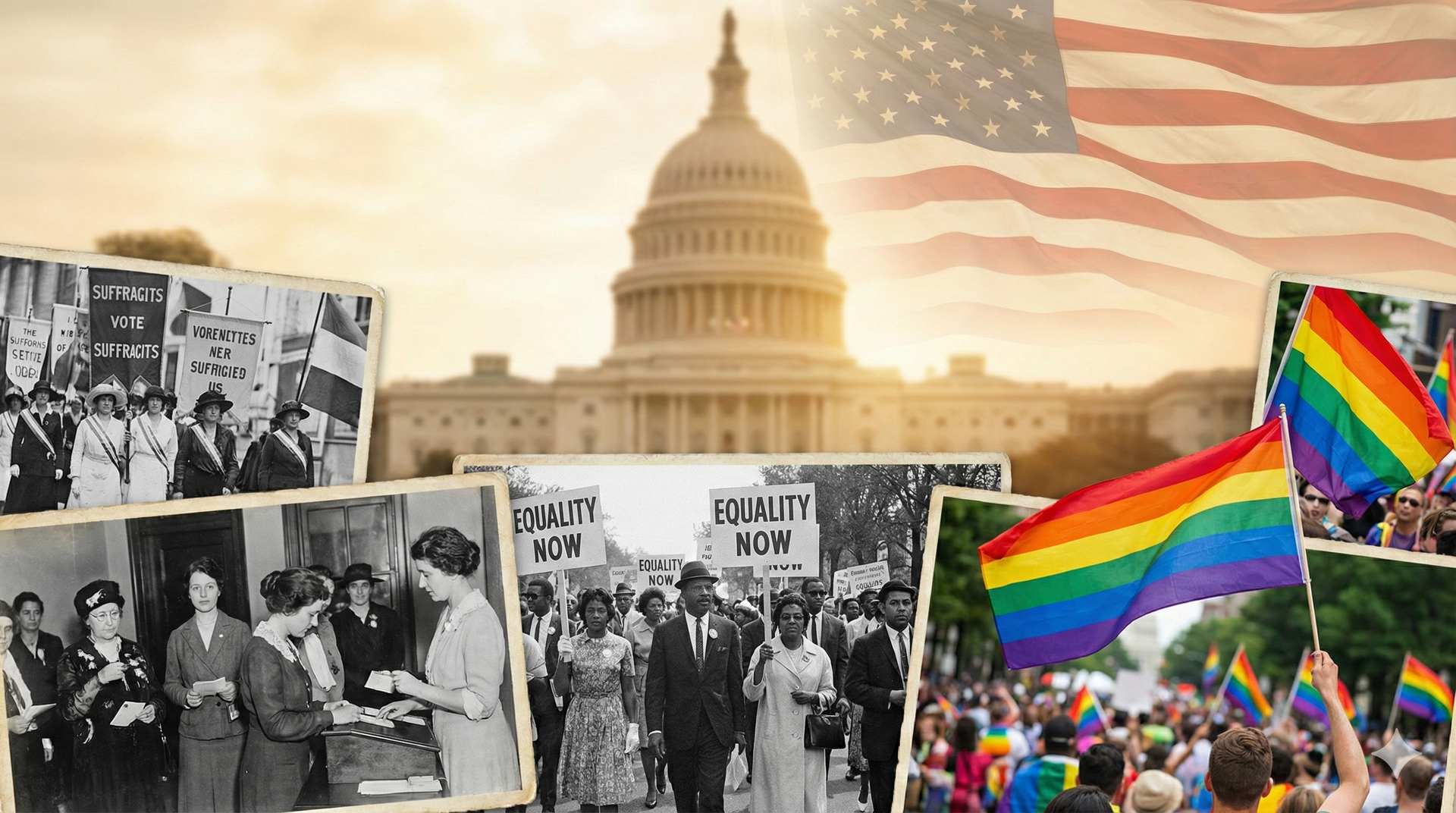
In the 20th century, the Civil Rights Movement was instrumental in addressing racial inequality and segregation, particularly in the South. Led by figures like Martin Luther King Jr., Rosa Parks, and Malcolm X, the movement fought to secure equal rights for African Americans. The passing of landmark legislation, such as the Civil Rights Act of 1964 and the Voting Rights Act of 1965, was a victory in the ongoing struggle for equality and justice. These efforts would continue to inspire other marginalized groups in their fight for equal rights.
Women’s Suffrage and LGBTQ+ Rights:
In addition to racial equality, the fight for gender and sexual equality has been a crucial part of America’s journey. The women's suffrage movement, culminating in the passage of the 19th Amendment in 1920, granted women the right to vote. In recent decades, the LGBTQ+ community has fought for recognition and rights, including marriage equality, culminating in the Supreme Court’s landmark ruling in 2015 that legalized same-sex marriage nationwide.
Celebrating the 250th Anniversary: Reflection and Recommitment
As the United States approaches its 250th anniversary, it is not just a time for celebration but also a time for reflection. The country has made remarkable strides in advancing the ideals of freedom and equality, but it has not always lived up to these principles. Issues like racial inequality, gender discrimination, and political polarization continue to challenge the nation’s commitment to its founding values.
This anniversary provides an opportunity to look forward and think about how America can continue to improve. The challenges of the 21st century—climate change, technological disruption, and global political instability—pose new hurdles for the nation, but they also offer opportunities for innovation, collaboration, and growth. The U.S. must continue to adapt while holding firm to the ideals that have guided it for the past 250 years.
Honoring the Founding Values
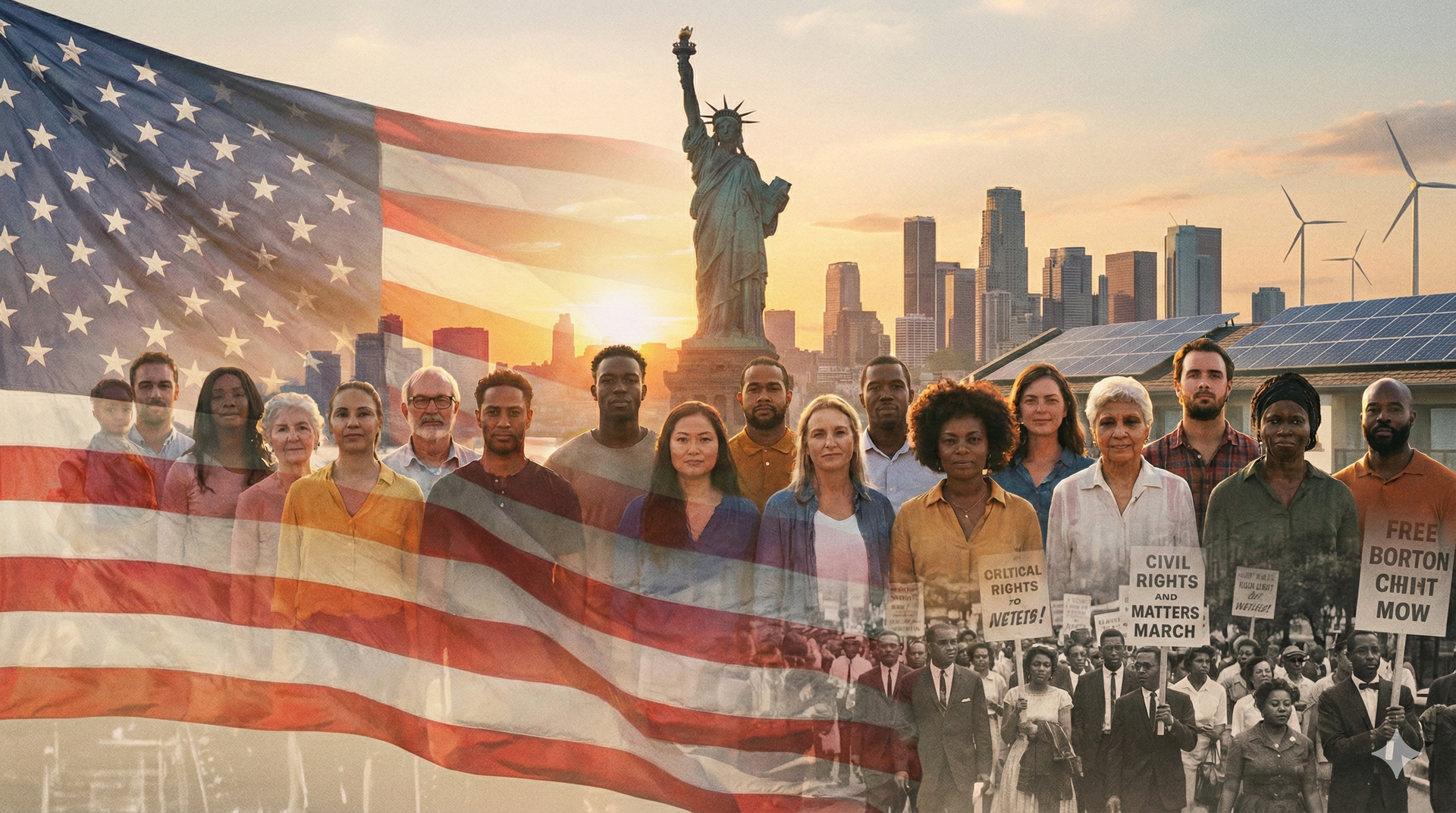
At its core, the 250th anniversary is about honoring the values that have shaped America’s identity: freedom, equality, innovation, and community. These principles have guided the nation through wars, economic upheaval, and social change, and they continue to inspire Americans today. The nation’s diverse population reflects the strength of its founding ideals—individual rights, shared governance, and a commitment to justice.
As Americans celebrate this historic milestone, it is essential to remember that the story of the United States is still being written. The next 250 years will undoubtedly bring new challenges, but they also hold great promise for a future shaped by the same ideals that have made the country a beacon of hope for generations. The celebration of the United States’ 250th anniversary is not just a look back at what has been accomplished but also a renewed commitment to the principles that will guide the nation forward.
Looking Ahead: The Future of Freedom
As the United States embarks on its next chapter, it must continue to reflect on the lessons learned from the past while remaining open to change. The nation’s commitment to freedom and justice will always be tested, but the resilience of the American people ensures that the journey toward a more perfect union will continue.
The United States' 250th anniversary is a powerful reminder that freedom is not a static achievement but an ongoing endeavor. Every generation must work to safeguard and expand the freedoms that have defined the American experiment. As the nation celebrates its past, it should also look ahead with hope, knowing that the work of freedom is never truly finished.
In celebrating this remarkable milestone, Americans honor the courageous vision of those who founded the country while rededicating themselves to the ideals that make the United States a beacon of liberty for the world.